This work is supported by the generous backers who adore my cat stories at Patreon.com/amberunmasked and they also get first access to what’s happening with my books and projects.
Where We Left Off:
The Winchester-Nabu residence had a surprise intruder who turned out to be a repeat offender.
Shack Out on 101:
Something urgent came through our network of informants. It’s only a rumor as far as we can tell right now, but it’s possible that The Raccoon House might be for sale or already sold!

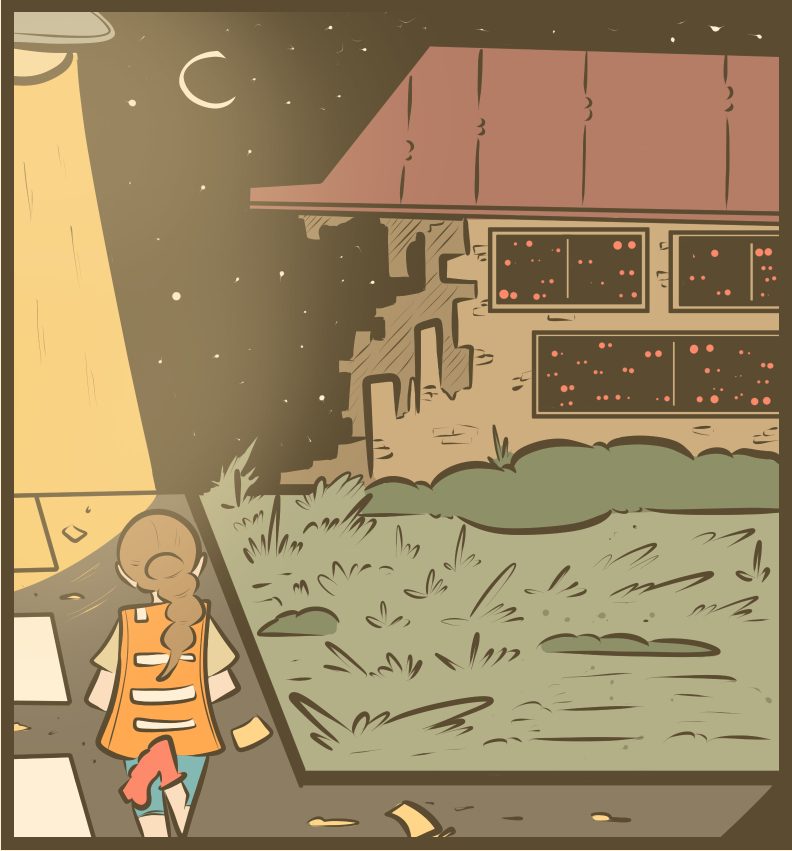
This decrepit old building used to be office space before it was rented out as an apartment. For years, no maintenance was ever done. The humans who did live there were not given the best of conditions. This is going back 20 years. The building has since been used for raccoon housing, vandalism, and fire department practice. It looks like a meth lab exploded. A total eyesore.
But, the raccoons have shelter.
This building needs to be torn down though. The raccoons should be able to find a shed or hollowed trees for shelters.
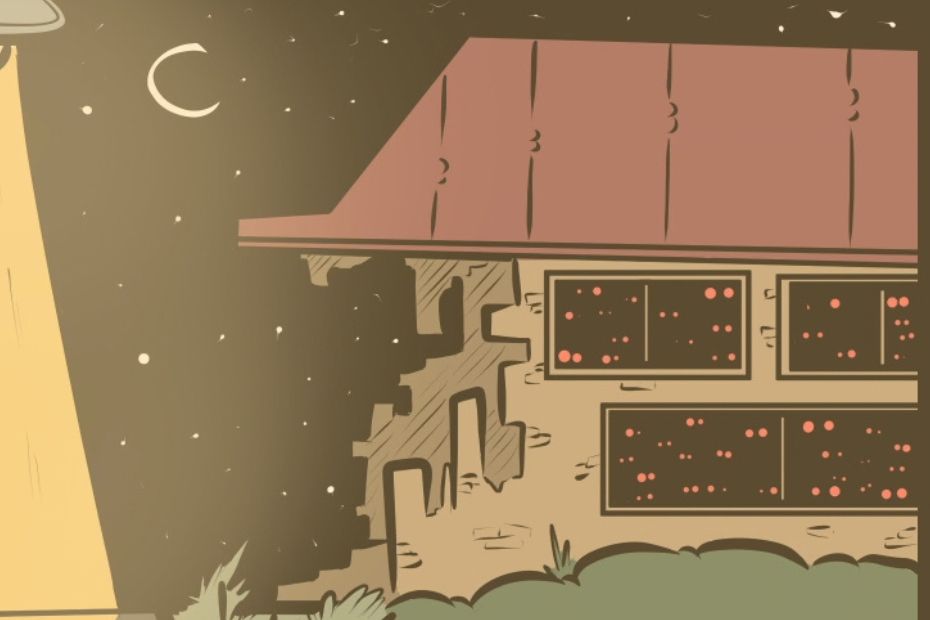
Something you may or may not know about this building is that it briefly appears in The Winchester-Nabu Detective Agency: The Case of the Bloody Burrow Gang comic book!
Ollie was inside his carriage. We were in the driveway as Gus walked around the flower bed to nibble on some grass. Ollie looked up at me. “What will happen?”
“I don’t know, Ollie.” I’ve been saying for years that the building needs to be razed. “We can keep researching and asking the Grumpy Old Man if any of his contacts have more information.”
“I like it over there,” Gus chimed in. “It’s too bad you never let me investigate the inside.”
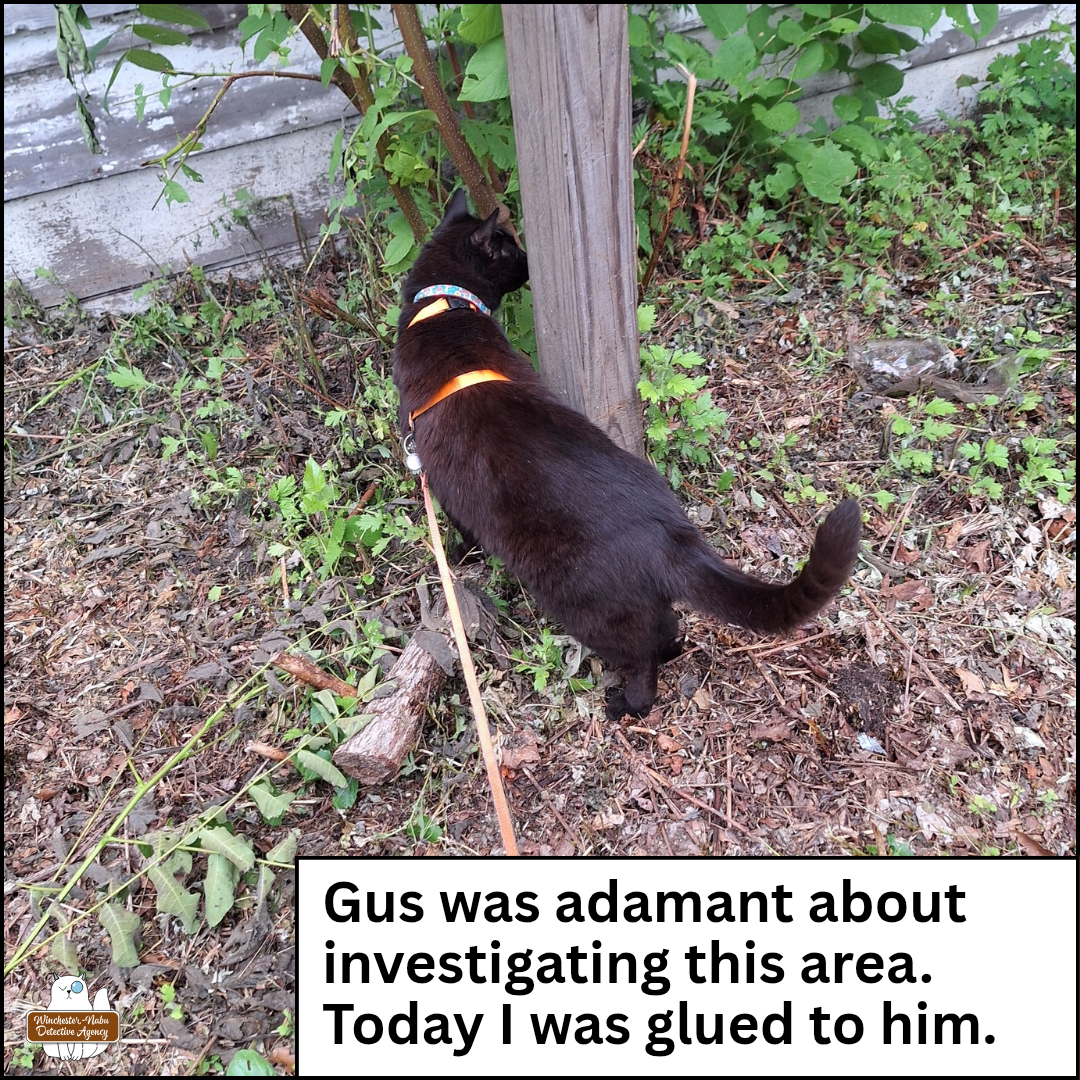
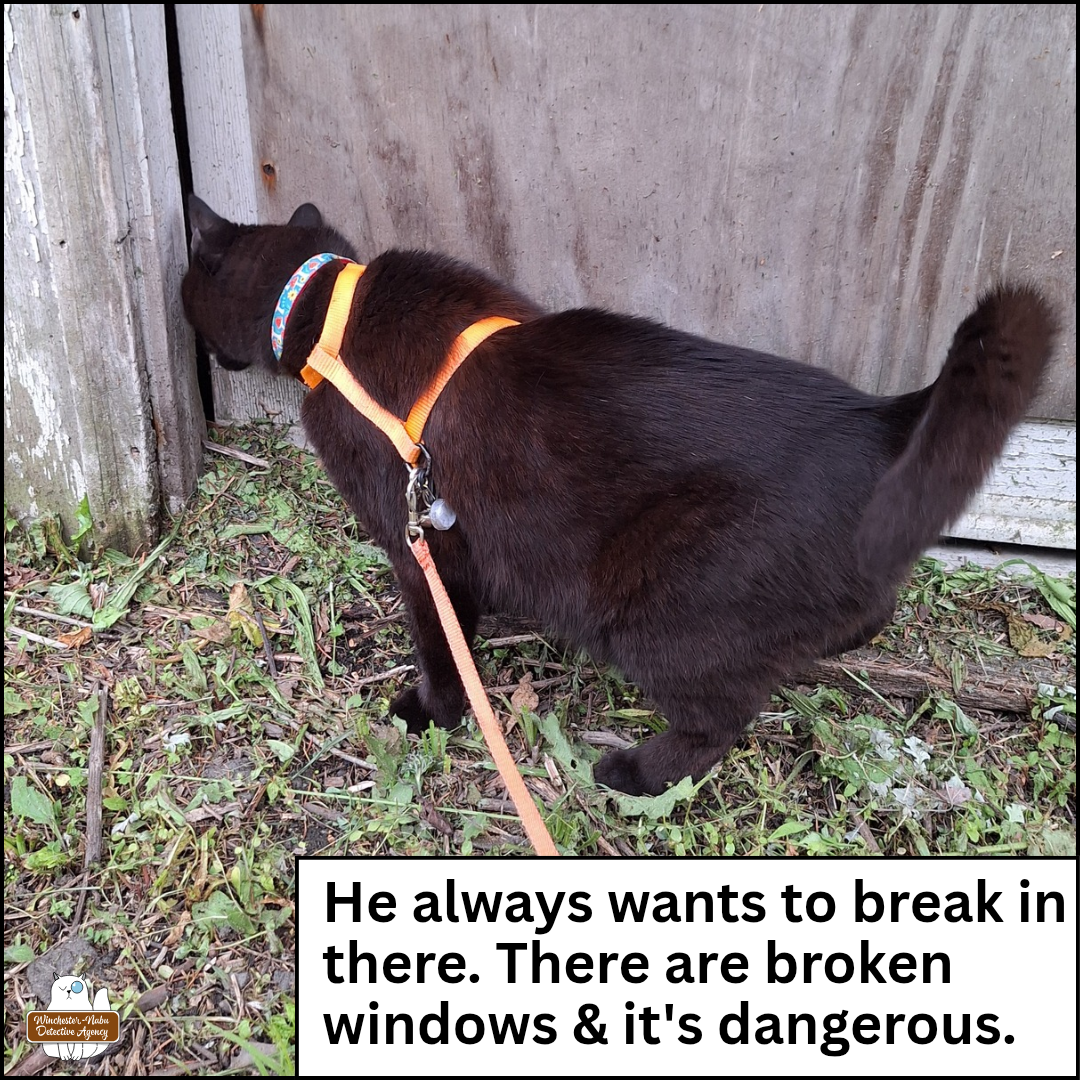
“Gus, there is broken glass all over the place. Not to mention that the structure could collapse on someone at any minute,” I said. “It’s far too dangerous.”
We moved down the driveway and the hideous building came into view. Ollie looked at it. “Okay, if you don’t know what will definitely happen, what do you hope happens?”
That was easy. I’d thought about it for a long time already. “I think the building and the tiny parking lot next to it could be returned to nature. Maybe even make the town’s smallest park. But if it was sold, it probably doesn’t belong to the town. It never technically did. The fire department owns just under four acres over there.”
When we were able to resume more online research, we discovered a different website than the one I had used in the past. This one has a pop-up that includes information on the site administration:
NJ MAP is the platform that hosts the Conservation Blueprint and Blueprint Plus. NJ MAP is operated and maintained by Rowan University.
This particular website has areas shaded in different colors that seem to represent the priority status of Green Spaces. The map can have the block and lot property lines toggled on which is helpful. They have a point system which I don’t fully understand. The statuses are: Highest Priority (14-19 pts), High Priority (11-13 pts), Medium Priority (8-10 pts), Priority (6-7 pts), Important (4-5 pts).
“This feels like a class project,” Oliver said and I couldn’t disagree.
“It does state that the data is not linked to the state ranking system. I didn’t know there was one,” I said.
Gus jumped up to his tower where he could get a perfect view of the building in question. “Trees would be nice. I’d like more trees.”
As Ollie, Gus, and I brainstormed about the potentials for that little space, I had to navigate through a lot of websites. I checked the municipal bidding auctions and didn’t see anything pertinent to our town. Maybe the fire department is making a quiet sale without public listing. Can they do that? They’re not a paid department like cities have.
I learned a little about some town history regarding a generous donation by someone’s estate to give 352 acres to the state, county, and the NJ Audubon. The state sold their share (of course). This information dive led to this legal description:
According to N.J.A.C 7:7-9.38, “public open space constitutes land areas owned or maintained by State, Federal, county and municipal agencies or private groups (such as conservation organizations and homeowner’s associations) and used for or dedicated to conservation of natural resources, public recreation, visual or physical public access or, wildlife protection or management. Public open space also includes, but is not limited to, State Forests, State Parks, and State Fish and Wildlife Management Areas, lands held by the New Jersey Natural Lands Trust (13:1B-15.1 19 et seq.), lands held by the New Jersey Water Supply Authority (58:1B-1 et seq.) and designated Natural Areas (13:1B-15.1 2a et seq.) within DEP-owned and managed lands.”
Ollie jumped up on the bed and took a few seconds to decide which spot was best. “What it means is that the non-profit would have to voluntarily apply for conservation status. We know that’s unlikely.”
Gus agreed. “They’ll sell it if they can. They always said it was too expensive to tear down and clear away.”
“I remember,” I said. “I never understood why they would try to get a grant for it or do a fundraiser. They got a grant for $197,321 to replace old breathing gear, the SCBAs.” I dug further and found the township’s introduced budget. It does list the three fire stations on the budget. Two of them get $50,932.50 for 2026. The third one doesn’t get anything and probably hasn’t existed for a while.
Ollie settled into the blankets. Before he closed his eyes, he said, “There’s nothing we can do. The fire department gets to sell it and the new owner can do whatever they want.”
I sent off an email to a contact that is deeply involved in local politics and services. For now, that’s all we have.
Case Findings:
There’s a rumor that our local raccoons may lose their home and have to return to wilder accommodations. The cat detectives and team tried to find accurate information about what will happen to the current building, but found only local gossip.
Case Status: Open